
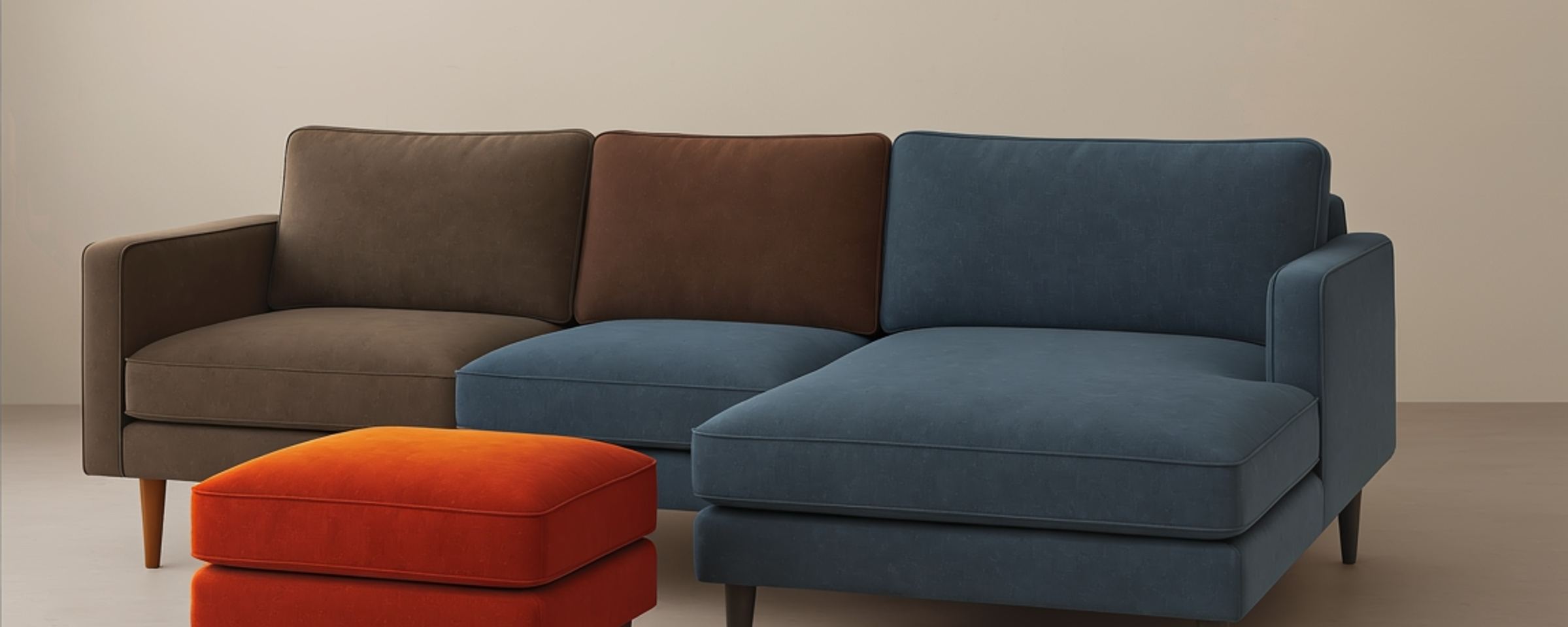
Integrating product variations seamlessly into your e-commerce platform can be a daunting task, especially for businesses with extensive inventories. However, advancements in 3D technology have revolutionized this process, making it easier than ever to manage hundreds of variations without the headaches typically associated with traditional methods. This blog post will explore how 3D modeling can simplify product variation management and why e-commerce businesses should consider adopting this innovative approach.
The Power of 3D Technology
Enhanced Visualization: 3D models allows businesses to create highly realistic representations of their products. This capability is crucial in e-commerce, where customers rely on visuals to make purchasing decisions. With 3D models, potential buyers can interact with products in a virtual space, rotating and zooming in to examine details that static images simply cannot convey. This interactivity fosters a deeper connection between the customer and the product, ultimately leading to higher conversion rates. In fact, studies have shown that e-commerce merchants utilizing 3D technology experience an average conversion increase of 94%[1][10].
Customization and Flexibility: One of the standout features of 3D modeling is its ability to offer customization options effortlessly. Customers can experiment with different colors, sizes, and styles in real-time, helping them visualize their unique preferences before making a purchase. This level of personalization not only enhances customer satisfaction but also reduces return rates significantly. Research indicates that businesses employing 3D visualization see a decrease in returns by up to 5% because customers have a clearer understanding of what they are buying[10].
Why E-Commerce Businesses Should Embrace 3D
Cost-Effectiveness: Traditional photography for product variations involves logistical challenges such as photoshoots and editing, which can be both time-consuming and expensive. In contrast, 3D rendering eliminates many of these costs by allowing businesses to create multiple product variations without the need for extensive photography sessions. This scalability makes it an attractive option for e-commerce brands looking to streamline their operations while maintaining high-quality visuals[5][7].
Pre-Production Marketing: Another significant advantage of using 3D technology is its application in pre-production marketing. Companies can showcase products before they are manufactured, allowing them to gauge interest and secure pre-orders. This capability not only aids in inventory management but also helps businesses make informed decisions about which products to develop further[1][5].
Simplifying Integration with Polymuse
For Shopify users, integrating 3D product variations into their online stores has never been easier, thanks to tools like Polymuse. This platform allows e-commerce businesses to implement 3D models without writing a single line of code. Polymuse streamlines the process by providing user-friendly interfaces and templates that make it easy to add interactive 3D models directly into product pages.
By using Polymuse, retailers can enhance their online shopping experience significantly while saving time and resources. The ease of integration means that even those without technical expertise can leverage the power of 3D modeling to showcase their products effectively. visit https://polymuse.tech and book a demo.
Conclusion
In conclusion, managing product variations in e-commerce does not have to be a complex challenge. By adopting 3D technology, businesses can enhance customer engagement through interactive visualizations, reduce return rates through better-informed purchasing decisions, and streamline their operations while cutting costs. With tools like Polymuse simplifying the integration process on platforms like Shopify, there has never been a better time for e-commerce brands to embrace the future of online retail with 3D modeling.
Citations:
[1] https://www.shopify.com/blog/3d-ecommerce
[2] https://www.gmihub.com/blog/3d-modeling-in-e-commerce/
[3] https://www.banuba.com/blog/3d-product-model-visualization-for-ecommerce
[4] https://magefan.com/blog/why-your-store-needs-an-ecommerce-blog
[5] https://omegarender.com/3d-product-visualization-in-e-commerce
[6] https://xigen.co.uk/insights/9-reasons-why-you-should-create-a-blog-for-your-ecommerce-store/
[7] https://artlabs.ai/blog/10-benefits-of-using-3d-product-models-for-your-business
[8] https://kobedigital.com/ecommerce-business-blog-importance/
[9] https://savree.com/en/blog/5-reasons-to-add-3d-product-configuration-to-your-ecommerce-store
[10] https://zolak.tech/blog/3d-commerce